Controlled atmosphere stunning using carbon dioxide has become widely adopted across global poultry processing. It is established, understood, and operationally embedded.
But it is also increasingly complex.
Processors today face mounting pressure across multiple fronts: volatile gas pricing, supply chain uncertainty, storage compliance, workforce safety considerations, ESG reporting demands, and evolving welfare expectations.
As the industry shifts toward greater resilience and transparency, the question is no longer simply whether a system works — but whether it remains fit for the future.
Low Atmospheric Pressure Stunning (LAPS) offers a different approach.
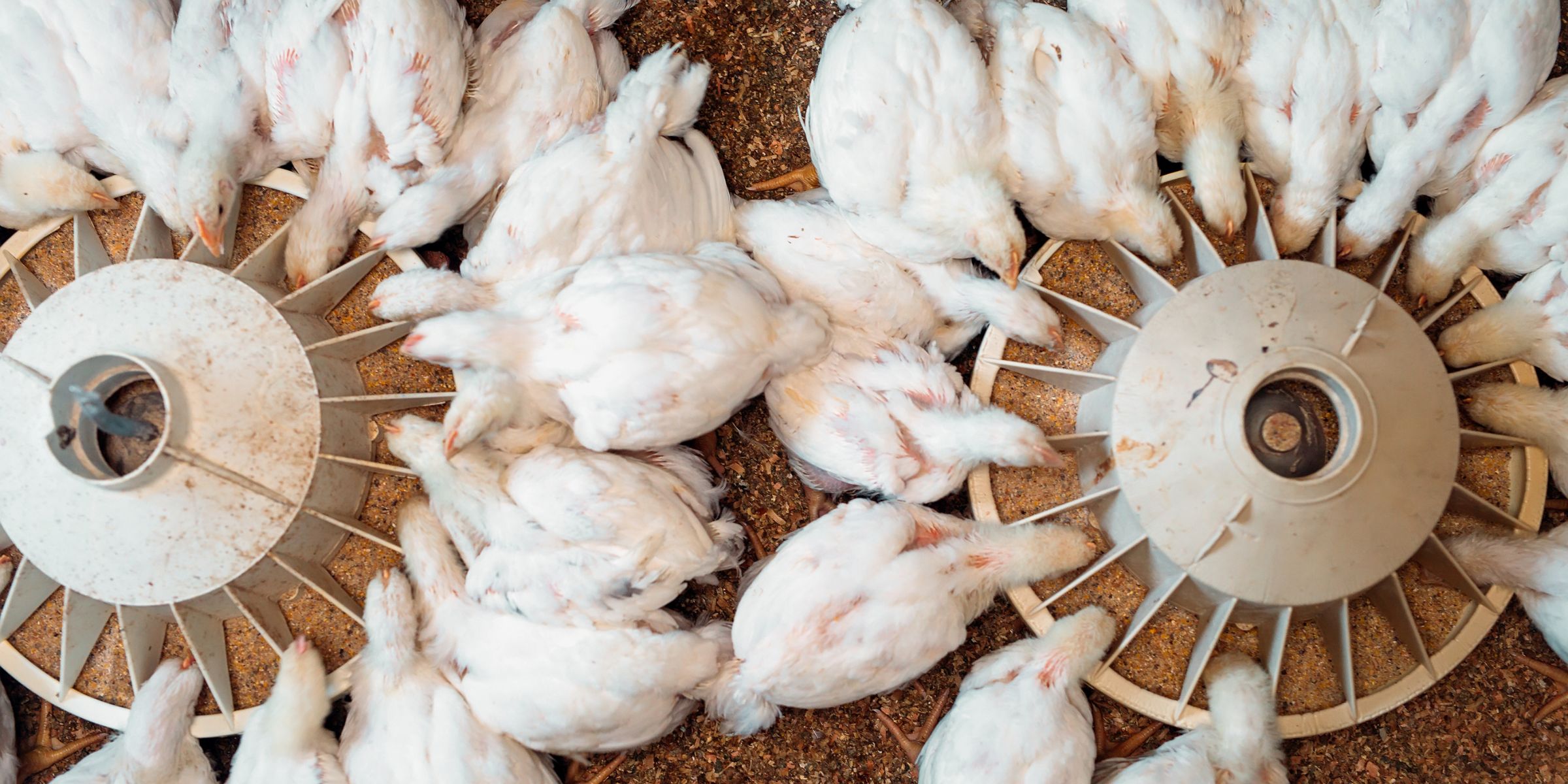
CO₂ stunning systems depend on a continuous external input: gas. That dependency introduces structural challenges:
Ongoing Operating Costs
Gas stunning requires continuous procurement. CO₂ pricing is influenced by broader energy markets, industrial production cycles, and geopolitical shifts. For processors operating at scale, this represents a recurring and often unpredictable cost line.
Bulk gas storage requires:
- Specialist tanks
- Monitoring systems
- Regulatory Compliance
- Safety Protocols
Storage and Infrastructure Compliance
These systems add complexity and inspection obligations, particularly as safety and environmental standards tighten globally.
As processors respond to investor and retail scrutiny, emissions reporting is becoming more granular. While CO₂ used in stunning is often captured industrial gas, its use still forms part of carbon accounting discussions and corporate sustainability narratives.
In parallel, retailers and consumers are asking harder questions about welfare practices and environmental footprint.
Low Atmospheric Pressure Stunning removes gas from the equation entirely.
How does LAPS work?
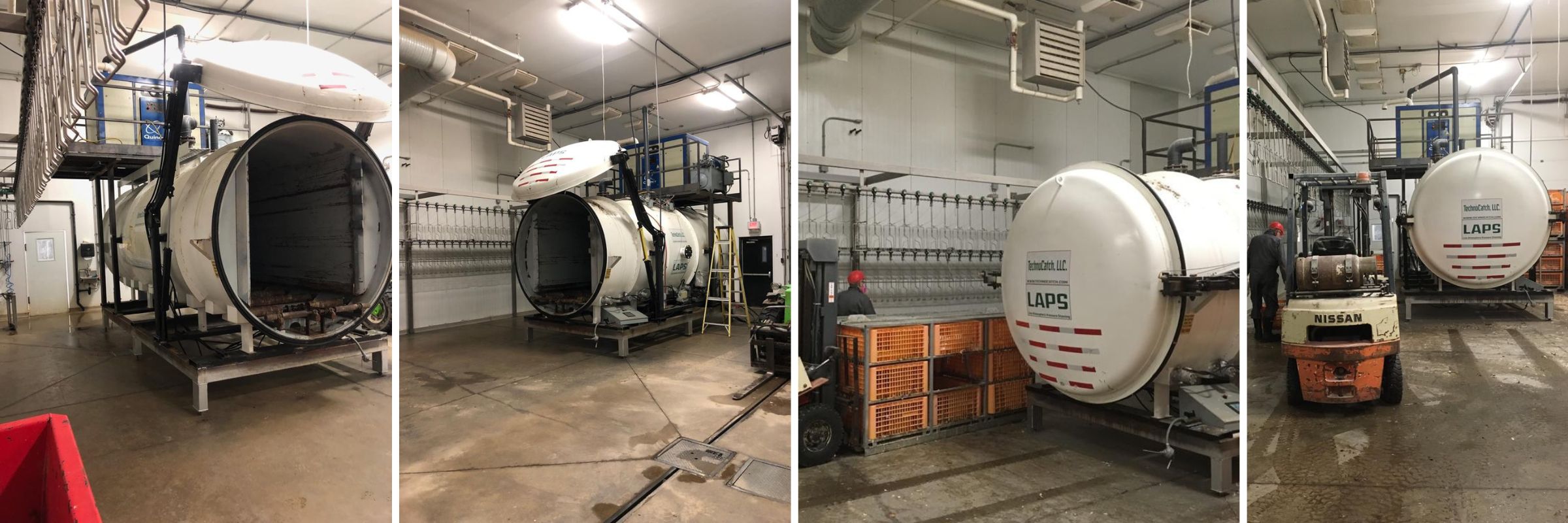
Instead of introducing CO₂ into a chamber, LAPS gradually reduces atmospheric pressure in a sealed environment. Oxygen levels decrease in a controlled, pre-programmed curve until birds lose consciousness.
The system requires electrical power — and no external gas input.
This shift changes the risk profile of the stunning operation.
Removing Gas Dependancy
With LAPS:
– There are no ongoing CO₂ purchases.
– No bulk storage tanks.
– No gas delivery logistics.
– No exposure to CO₂ price volatility.
Operating costs become more predictable, tied primarily to electricity usage and maintenance rather than fluctuating commodity markets.
For processors managing tight margins at scale, cost stability is not a minor detail — it is strategic.
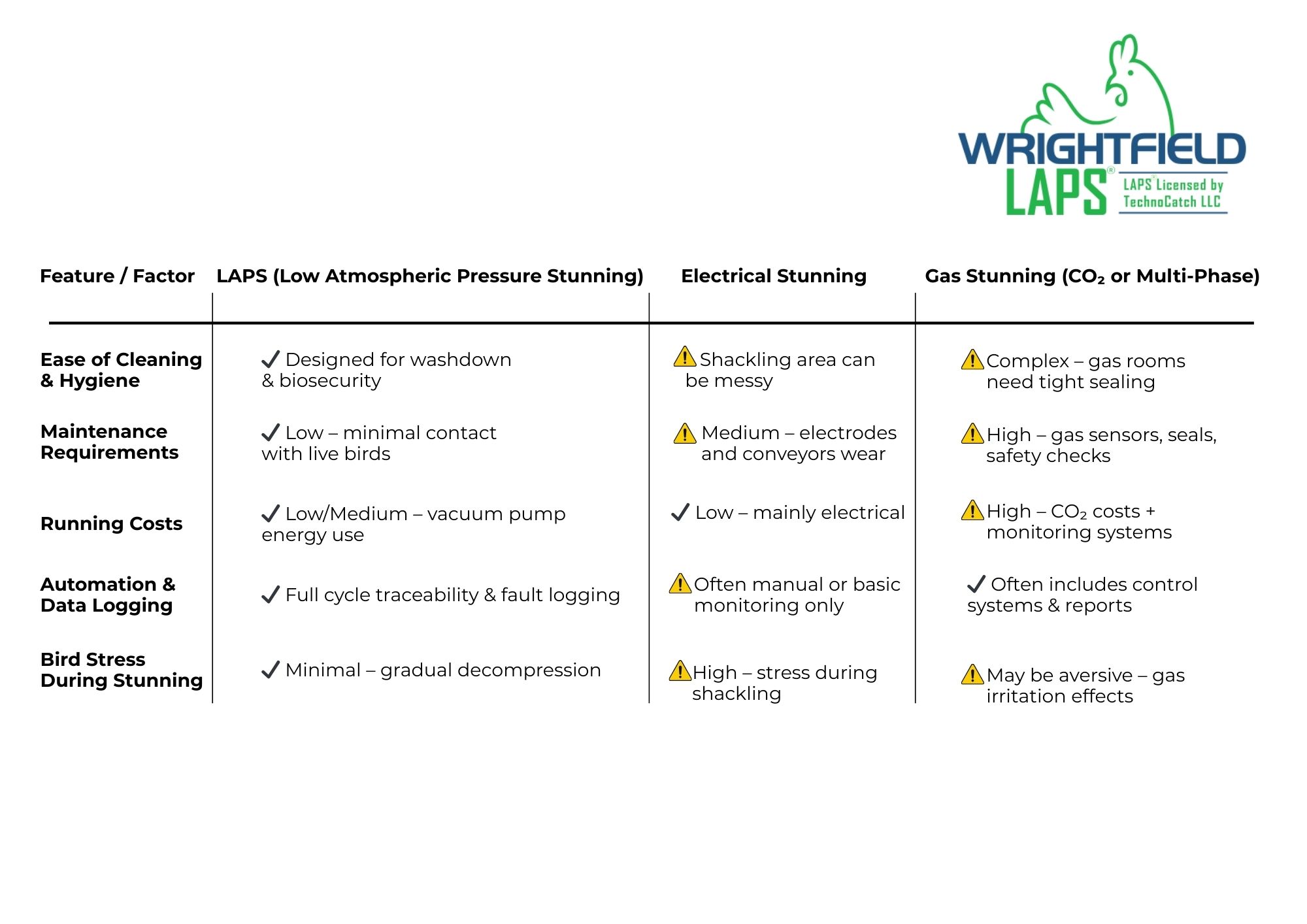
Welfare: Infrastructure That Reduces Stress
Beyond operational considerations, welfare expectations continue to evolve.
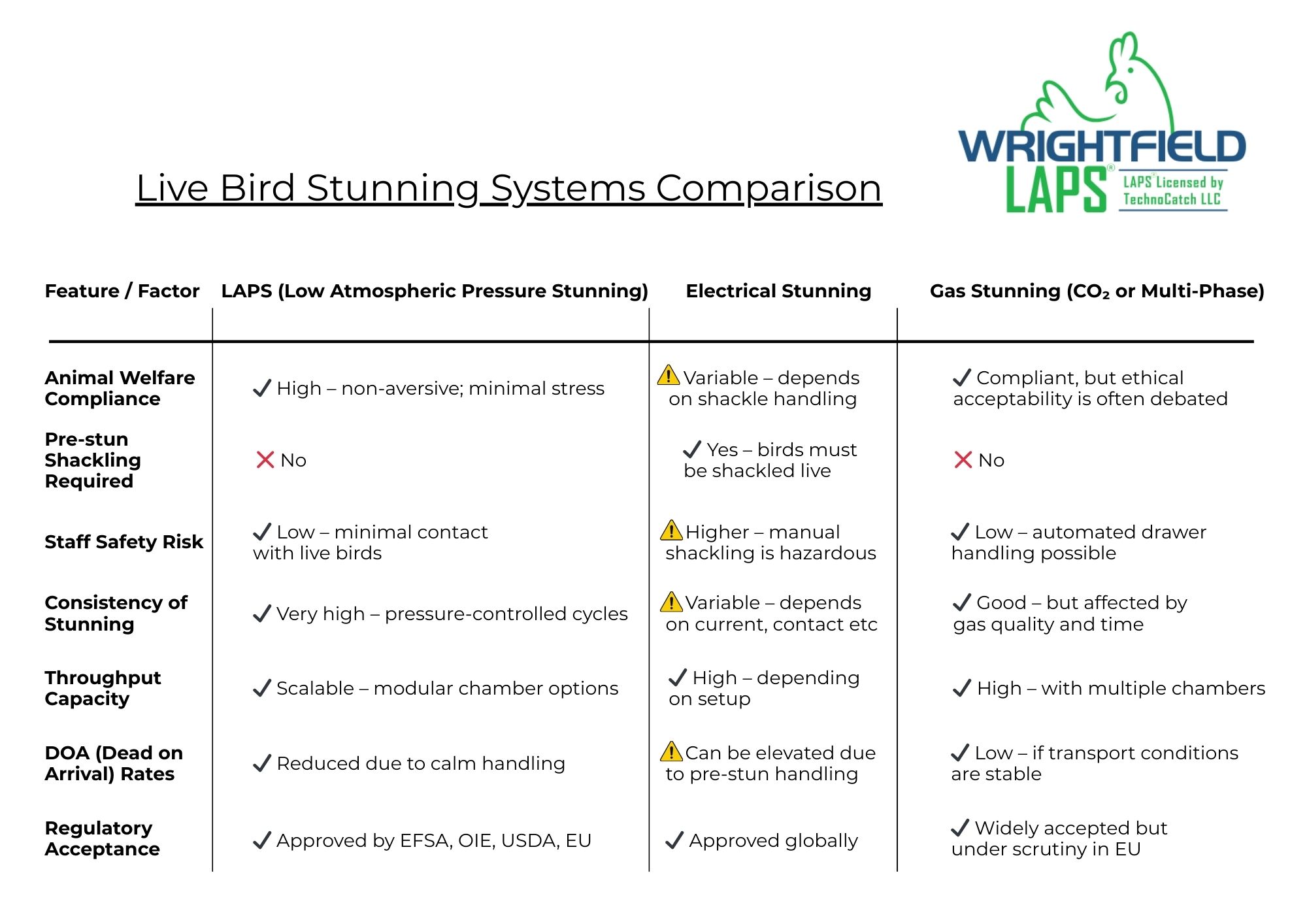
LAPS induces unconsciousness through controlled hypoxia rather than gas exposure. Birds remain in transport modules and are not shackled prior to unconsciousness.
The system applies uniform atmospheric conditions across the chamber, reducing variability between batches when correctly managed.
As welfare science and public scrutiny progress, processors increasingly recognise that infrastructure design plays a central role in demonstrating commitment to humane practice.
High welfare is no longer only a compliance issue — it is a reputational one.
Next Steps
If your organisation is evaluating:
– Replacement of aging CO₂ systems
– Expansion of processing capacity
– Emissions reduction strategies
– Welfare-driven differentiation
A technical briefing and feasibility assessment can explore how Low Atmospheric Pressure Stunning could integrate into your operation.
The future of poultry processing will reward those who reduce complexity, stabilise costs, and align welfare with infrastructure.
The question is not whether change is coming.
It is whether you will lead it.
To find out more about LAPS please take a look around this website. You’ll also find a useful FAQ section on this page. If you would like to chat with a specialist, please call Mark Rose on 01379 872800 or contact us here.