
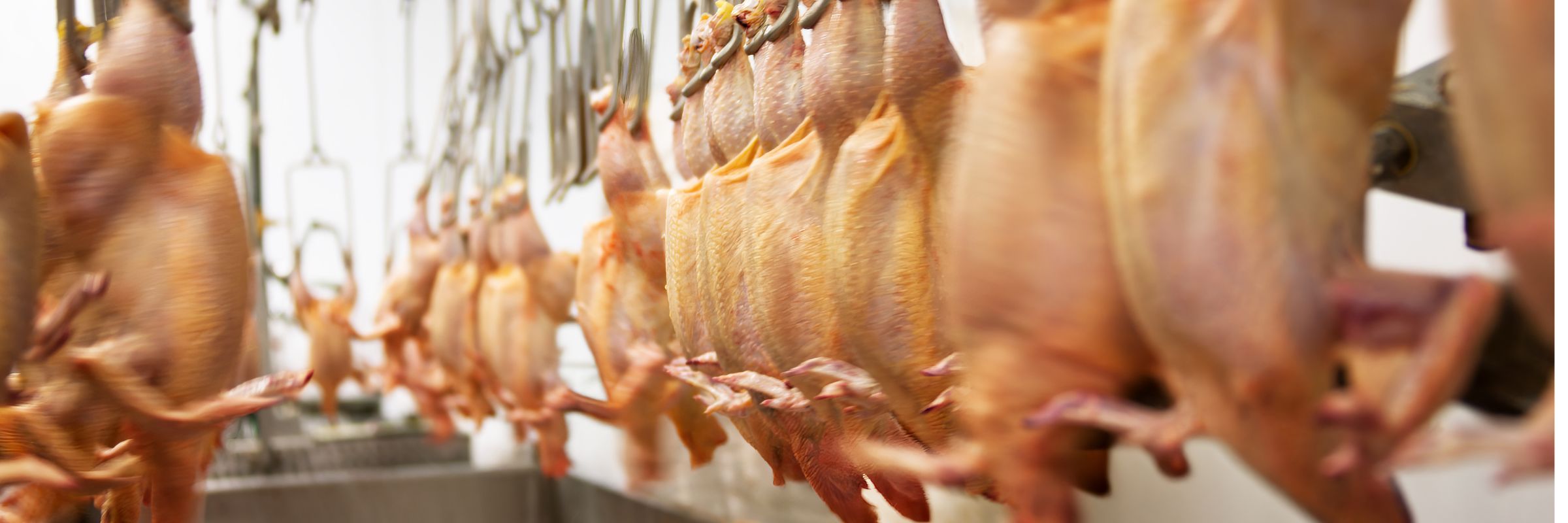
In recent years, the global poultry industry has faced increasing pressure to enhance animal welfare standards in meat production.
Traditional stunning methods, such as electrical water bath stunning and gas stunning, have been used for a long time in poultry processing plants. However, a growing body of research and welfare advocates suggest there may be a better, more humane alternative: Low Atmospheric Pressure Stunning (LAPS®).
What is LAPS®?
Low Atmospheric Pressure Stunning works by gradually reducing the atmospheric pressure in a sealed chamber, leading to unconsciousness in poultry due to hypoxia (a lack of oxygen). This method eliminates the stress factors associated with handling and shackling conscious birds, as they remain in their transport crates throughout the process.
How Does It Compare to Electrical and Gas Stunning?
Electrical stunning typically requires live birds to be shackled upside down before passing through an electrified water bath — a process known to cause distress and physical injury. In gas stunning systems, birds are exposed to controlled gas mixtures, which can sometimes cause respiratory discomfort before unconsciousness is achieved. See the LAPS vs Electrical vs Gas comparison chart here.
In contrast, LAPS® offers a calmer, less invasive environment. Birds experience a gradual decrease in air pressure, which leads to unconsciousness and an irreversible stun without direct handling. Scientific studies have indicated that LAPS® reduces pre-stun stress indicators such as wing flapping, vocalisation, and physical struggle.
Recognised Welfare Benefits of LAPS®:
Minimised Handling Stress: Birds stay in their transport modules, avoiding live shackling altogether.
Consistent and Controlled Process: LAPS® provides precise control over environmental conditions, thereby reducing the likelihood of ineffective stunning.
Improved Working Conditions: Operators are less exposed to risks associated with live bird handling, thereby enhancing plant safety and hygiene.
Validated by Research: Independent animal welfare experts and regulatory agencies have increasingly acknowledged LAPS® as a humane stunning method.
Industry Adoption and Future Outlook
While electrical and gas stunning remain widely used, LAPS® technology is steadily gaining attention from processors seeking higher welfare standards and market differentiation. Several major markets in Europe and North America have begun adopting or evaluating LAPS® systems for their welfare and operational benefits.
At Wrightfield LAPS®, we are proud to support innovations like LAPS® that prioritise both animal welfare and food industry sustainability. As consumer expectations evolve, so too must our methods for humane poultry processing.
As the conversation around ethical food production grows, Low Atmospheric Pressure Stunning represents a forward-thinking solution for poultry processors. By reducing stress, improving welfare outcomes, and creating safer working environments, LAPS® stands out as a promising alternative to traditional stunning methods.