
When it comes to poultry processing, animal welfare has rightly been at the centre of industry innovation. But there’s another side to the conversation that is gaining momentum: the environmental footprint of stunning systems.
While traditional CO₂/Nitrogen/Oxygen gas stunning has been widely used in processing plants, it comes with a significant environmental cost. By contrast, Low Atmospheric Pressure Stunning (LAPS) offers not only a more humane approach for birds but also a more sustainable choice for the planet.
CO₂ and Other Gas Stunning: The Hidden Cost
Carbon dioxide and other gas stunning requires large volumes of compressed gas, often stored in bulk tanks and transported regularly to processing facilities. The environmental impact arises from two key areas:
-
Direct emissions from gas use – Gas used in stunning is vented into the atmosphere after each cycle.
-
Supply chain footprint – producing, transporting, and storing gas adds further emissions, particularly when distribution requires road tankers.
For context, a medium-sized poultry processing facility handling 100,000 birds per day can use upwards of 10–12 tonnes of gas daily. Over the course of a year, this equates to around 3,500–4,000 tonnes of emissions released into the atmosphere.
Put simply, that’s roughly the same annual emissions (for CO₂) as 900 average cars on the road.
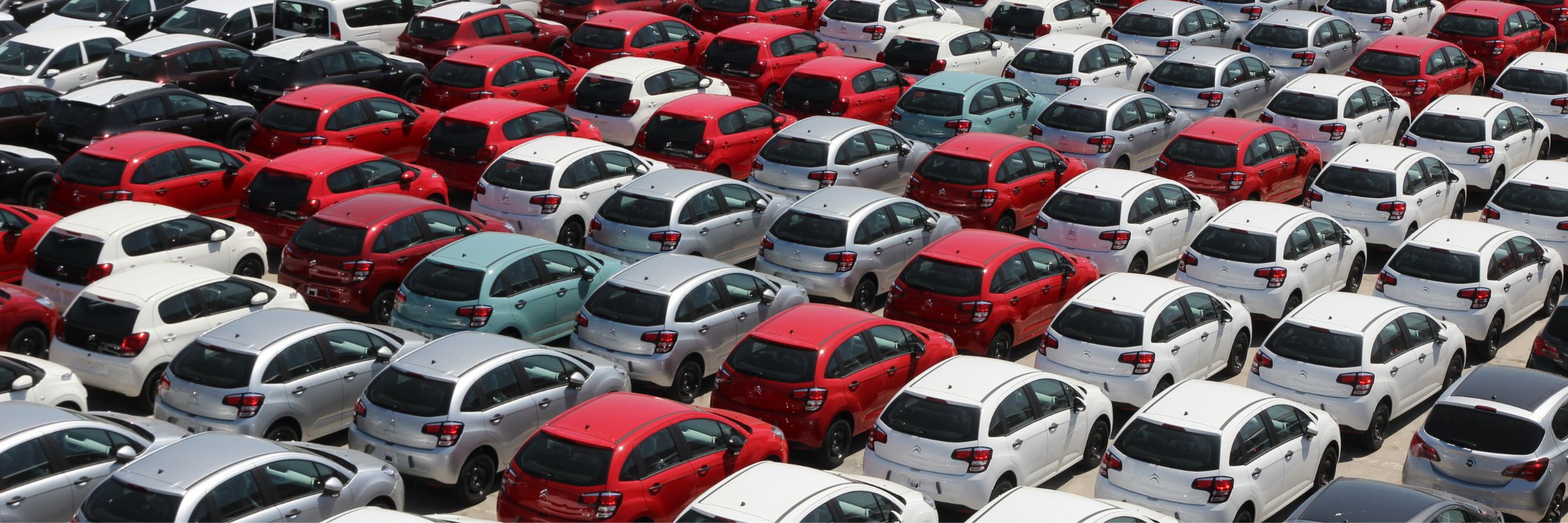
This is a significant environmental burden—especially at a time when food producers are under pressure to reduce their carbon impact across the supply chain.
LAPS: A Lower-Impact Alternative
By contrast, LAPS does not rely on gas at all. Instead, it uses controlled decompression to gradually reduce air pressure in a sealed chamber. Birds are gently rendered unconscious without the need for gas injection or release.
The result?
- No daily consumption of industrial gas
- Minimal greenhouse gas emissions associated with stunning
- Reduced logistics footprint as there is no need for constant delivery and storage of gas supplies
In practice, the carbon savings are substantial. A plant that switches from gas stunning to LAPS could avoid thousands of tonnes of gas emissions each year—helping retailers and processors meet corporate Net Zero targets while demonstrating environmental responsibility alongside animal welfare.
Beyond Welfare: Aligning with Retailers’ Sustainability Goals
Retailers are already making strong commitments on packaging, food miles, and sustainable sourcing. Poultry stunning is another area where choosing the right system can contribute to broader environmental targets.
Waitrose and M&S have set ambitious sustainability agendas alongside their welfare commitments. A move toward low-impact stunning systems such as LAPS could further strengthen these positions.
Across Europe, where climate legislation is becoming stricter, processors that reduce dependency on gas will be better positioned to meet regulatory and customer expectations.
The Bigger Picture
Consumers are increasingly aware of both animal welfare and the environmental footprint of their food. While the welfare benefits of LAPS are well established, its environmental advantages make it an even more compelling solution.
Choosing LAPS over gas stunning is not just a welfare decision—it is a climate decision, too. With the potential to eliminate the equivalent emissions of hundreds of cars each year, it is one of the most impactful changes processors can make to cut their footprint.
The conversation about poultry stunning can no longer be separated into welfare alone. The environmental cost of gas-based systems is too great to ignore.
LAPS offers a win–win: a more humane method for birds and a cleaner, lower-impact solution for the planet. For processors and retailers aiming to lead in both welfare and sustainability, it represents a future-ready choice.
To find out more about LAPS, please call us on +44 (0)1379 872800.