
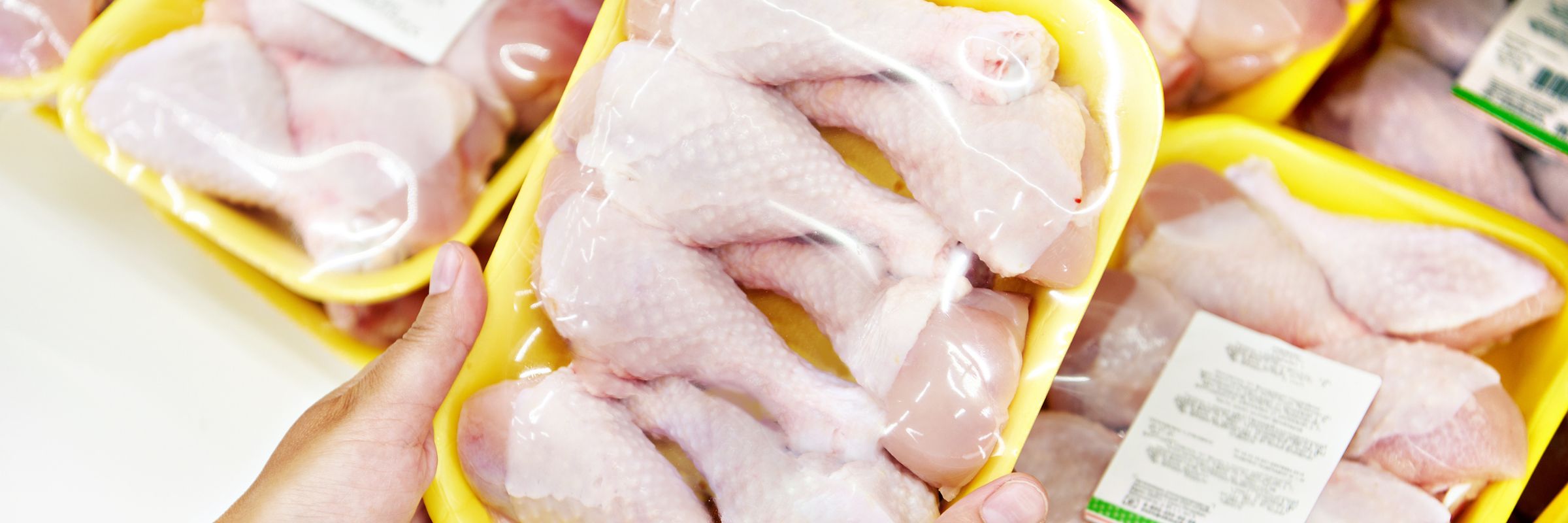
In today’s food marketplace, animal welfare has become a defining issue. Shoppers are not only looking for value and quality—they also want reassurance that the food they buy has been produced to the highest welfare standards.
Retailers are now responding by embedding strict welfare policies into their supply chains, requiring farmers and processors to meet enhanced standards at every stage of production, from rearing to stunning.
For supermarkets, these changes are no longer optional. They are being driven by consumer demand, competitive differentiation, and the growing influence of welfare benchmarks such as the Better Chicken Commitment (BCC) and RSPCA Assured certification.
Consumer Expectations Driving Change
Across the UK and Europe, animal welfare is now one of the top concerns for consumers buying poultry.
- A 2023 survey revealed that *87% of UK shoppers expect supermarkets to sell chicken raised to higher welfare standards, while 79% say welfare influences their purchase decisions.
- More than two-thirds of consumers (*66%) regularly check packaging for welfare labels, and 70% would consider switching retailers if they believed better welfare options were available elsewhere.
- Despite cost pressures, *84% of shoppers say welfare is an important factor—ranking second only to freshness.
These statistics show that for supermarkets, animal welfare is no longer simply a moral responsibility—it is a business-critical expectation.
Retailer Leadership in High Welfare
Waitrose: Going Beyond the Better Chicken Commitment
Waitrose has set a new benchmark by becoming the first UK retailer to fully meet the Better Chicken Commitment across all own-brand chicken—fresh, frozen, and processed products—well ahead of the 2026 industry target.
In addition, it has introduced a five-tier welfare labelling system (from standard indoor to organic), giving shoppers clear, transparent information at the point of purchase. By omitting the lowest tiers altogether, Waitrose ensures that every product on its shelves exceeds basic welfare compliance.
Waitrose has also called for mandatory welfare labelling across the industry, a move that would compel other retailers to raise standards and help customers make more informed choices.
Marks & Spencer: 100% RSPCA Assured Chicken
M&S has taken a different but equally powerful route. By committing to sell only RSPCA Assured chicken, it has become the only UK retailer to guarantee that all poultry meets the charity’s independently verified higher-welfare standards.
This gives customers complete confidence that welfare has been prioritised at every stage—from rearing and handling to transport and slaughter. For M&S, this is not just a compliance measure but a brand-defining commitment to transparency and ethics.
Will Others Follow?
With Waitrose and M&S leading, pressure is mounting on competitors such as Tesco, Sainsbury’s, Co-op, and Morrisons to match these welfare commitments. While many have made partial progress—adopting slower-growing breeds in some ranges or increasing RSPCA Assured options—the full adoption of BCC or RSPCA Assured across all products is not yet widespread.
As consumers increasingly demand higher standards, and as imports of lower-welfare chicken face growing scrutiny, other supermarkets may soon find themselves forced to follow the lead of Waitrose and M&S—particularly in the UK and other European markets where welfare is higher on the agenda.
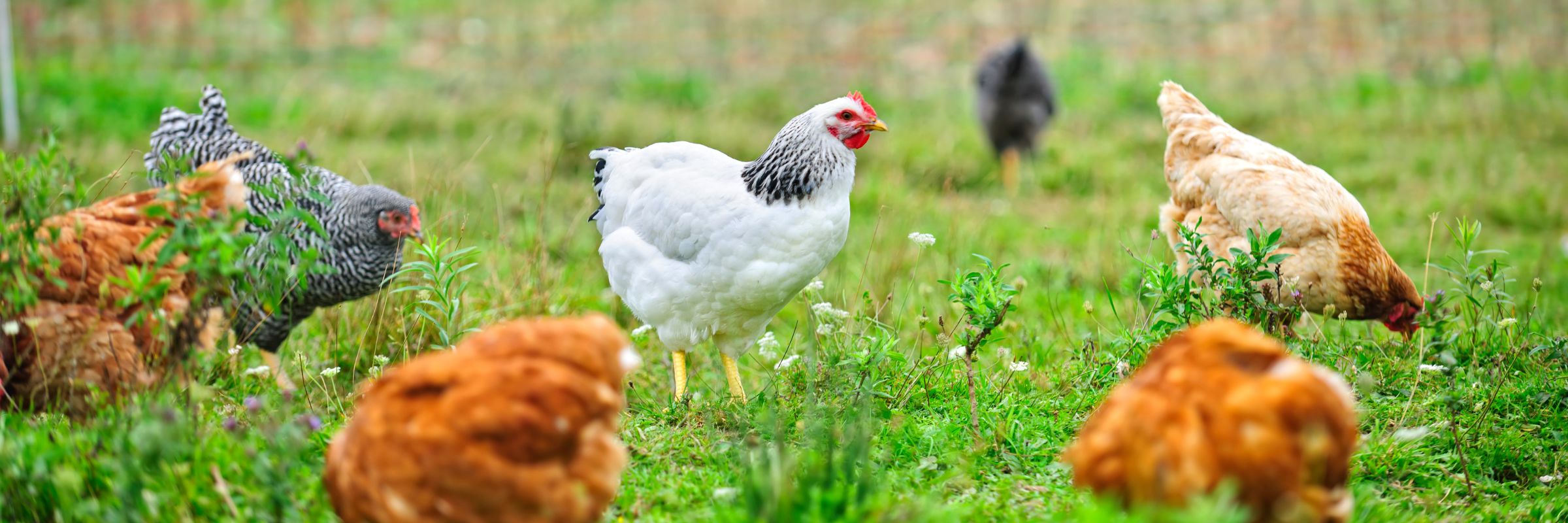
High Welfare at Every Stage – Including Stunning
Retailers are not only focused on rearing conditions but also on the entire life cycle of the bird, including handling, transport, and slaughter. Stunning methods are under increasing scrutiny, with pressure to move away from systems that may cause stress.
This is where Low Atmospheric Pressure Stunning (LAPS) is making a difference.
How LAPS Works
LAPS renders birds unconscious by gradually reducing atmospheric pressure in a controlled environment. Unlike traditional methods, which can cause distress, LAPS is scientifically validated as one of the least stressful stunning techniques.
For birds, it means a calm, humane transition to unconsciousness.
For retailers and processors, it offers confidence that welfare commitments are upheld, while also delivering practical benefits such as:
- Reduced carcass defects
- Better meat texture and shelf life
- Greater consistency and supply chain reliability
Commercial and Ethical Benefits
Higher-welfare systems are often framed as an ethical obligation, but they also offer clear commercial advantages:
- Stronger brand trust – retailers that demonstrate leadership on welfare build customer loyalty and reputational value.
- Product quality – reducing animal stress improves meat quality and yield.
- Market differentiation – adopting systems like LAPS positions retailers as forward-thinking in a competitive sector.
In short, high welfare is a win–win for animals, consumers, and business performance.
The Future of Poultry Welfare
The direction of travel is clear: animal welfare is moving from niche to mainstream expectation. As Waitrose and M&S raise the bar, other supermarkets across the UK and Europe may be compelled to follow suit.
- Consumers are increasingly unwilling to accept “standard” welfare products.
- Policymakers are considering mandatory welfare labelling to create a level playing field.
- Import reliance is under scrutiny, with growing calls to align welfare standards on imported poultry with UK production.
In this evolving landscape, LAPS represents not just a new technology, but a statement of intent: that retailers, processors, and farmers are committed to humane practices at every stage of the supply chain.
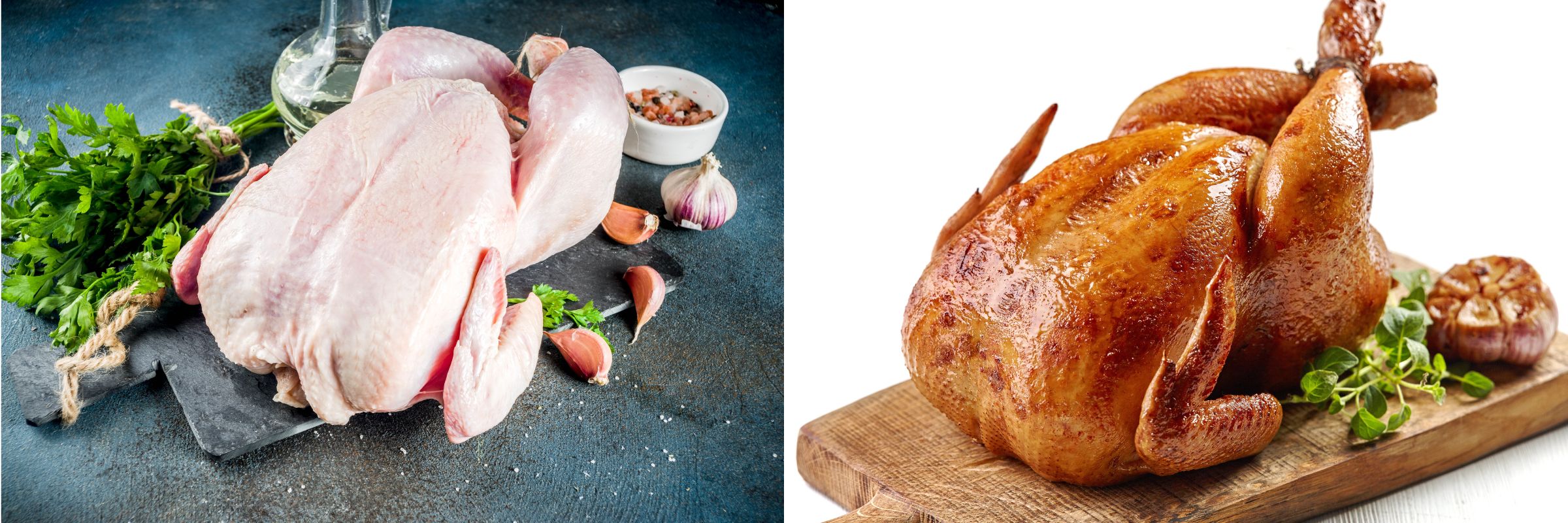
Animal welfare is no longer an optional extra for retailers—it is central to consumer trust and brand reputation. With supermarkets like Waitrose and M&S taking bold steps, the pressure is on the rest of the industry to meet rising expectations.
By adopting innovations such as Low Atmospheric Pressure Stunning, retailers and processors can ensure they are not just meeting today’s standards but setting tomorrow’s benchmarks.
In a world where reputation, responsibility, and results go hand in hand, LAPS offers both the ethical and commercial edge.
To find out more about LAPS, please call us on +44 (0)1379 872800.
*statistics provided by the RSPCA poll of consumers 2023